
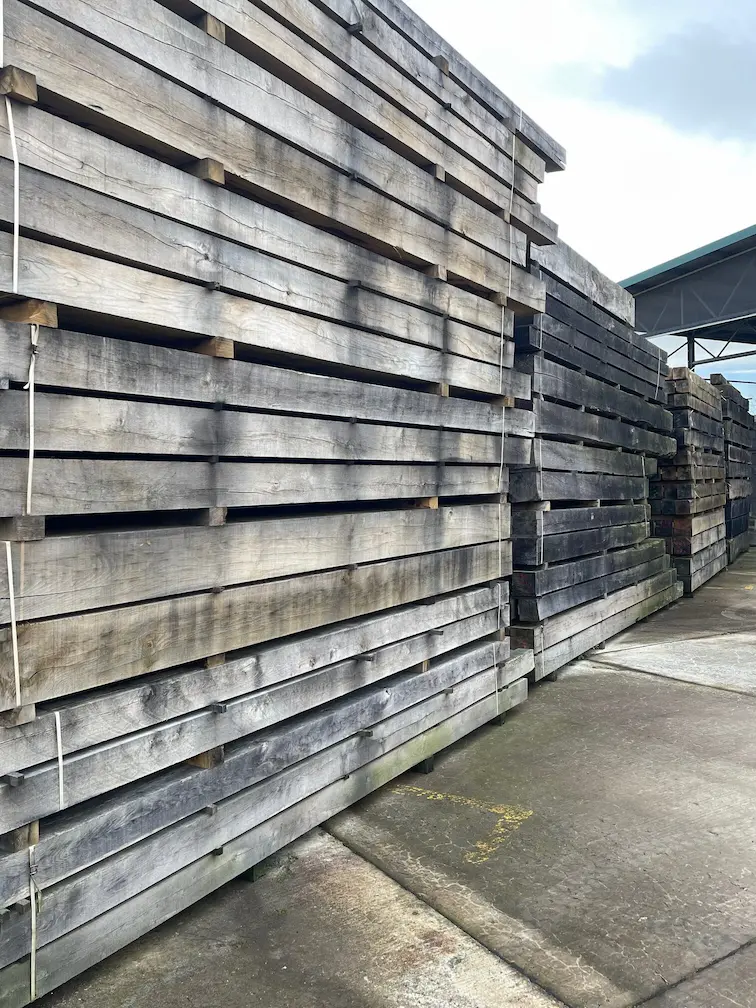
When it comes to strength, elegance, and natural appeal, Solid Oak is in a league of its own. For centuries, this hardwood has been a cornerstone in construction, furniture making, and interior design. From grand staircases and structural beams to handcrafted dining tables, Solid Oak continues to prove its worth as a premium choice for projects that demand both style and longevity.
In this blog, we’ll explore what makes Solid Oak so special, its key benefits, and why it’s a top-tier material for both modern and traditional applications.
What is solid oak?
Solid Oak refers to wood that is cut entirely from oak trees, with no veneers, engineered layers, or composite materials. It’s the real thing strong, stable, and full of character. Unlike veneered wood or MDF, Solid Oak is more durable, repairable, and able to withstand years of use without losing its charm.
This hardwood comes primarily in two species:
- White oak: Known for its light brown hue, closed grain, and resistance to moisture.
- Red oak: Slightly pinker in tone, with a more open grain and excellent workability.
Both varieties of Solid Oak are ideal for high-traffic and high-visibility applications.
Why choose solid oak?
There are many reasons why designers, builders, and homeowners continue to invest in Solid Oak:
- It offers exceptional durability, resisting dents, scratches, and wear.
- It provides a rich, natural grain that enhances over time.
- It can be sanded, refinished, and restored, making it a true lifetime material.
- It’s strong enough for structural use, and beautiful enough for display.
- It delivers long-term value, as oak products retain their appeal for decades.
When quality matters and shortcuts won’t do, Solid Oak is always the right choice.
Considering more oak options? Discover the visual texture of Rustic Oak, perfect for interiors with character.
Where solid oak stands out
Solid Oak is incredibly versatile and can be used in almost every area of the home or commercial space:
- Furniture: Tables, cabinets, beds, and bookshelves made from solid oak last for generations.
- Flooring: Durable and stylish, ideal for high-traffic areas.
- Joinery: Doors, stairs, and window frames that combine function and beauty.
- Countertops and worktops: Naturally antibacterial and aesthetically pleasing.
- Architectural details: Beams, trims, and panels that elevate any interior.
Every use of Solid Oak adds richness and stability to the space it inhabits.
Solid oak vs engineered wood
Here’s why Solid Oak remains the premium choice overengineered alternatives:
- Longevity: Solid oak lasts decades longer.
- Repairability: It can be sanded and refinished multiple times.
- Character: Each board is unique, with its own natural grain and knots.
- Sustainability: Responsibly sourced oak is a renewable, eco-friendly resource.
While engineered wood may be cost-effective short-term, Solid Oak offers superior return on investment over time.
Curious about how solid oak compares to other hardwoods? Read our blog on Ash Timber for a lighter and more flexible option.
Sourcing solid oak sustainably
As with all natural materials, responsible sourcing is essential. Look for Solid Oak that is FSC- or PEFC-certified to ensure the wood comes from forests managed with care for the environment and future generations.
Sustainably sourced Solid Oak supports:
- Forest regeneration and biodiversity
- Ethical supply chains
- Long-term access to quality timber
At Wholesale Timber, we prioritise sustainably harvested oak so you can build with peace of mind.
Learn more about eco-conscious timber in our post on Sustainable Timber, packed with practical insights.
Working with solid oak
Despite its hardness, Solid Oak is a pleasure to work with for experienced woodworkers. Here are some key tips:
- Use sharp tools for clean cuts and smooth finishes.
- Pre-drill screw holes to avoid splitting.
- Finish with natural oils or waxes to highlight the grain and protect the surface.
- Join using traditional methods for a classic, durable result.
With proper care and craftsmanship, Solid Oak pieces can last for generations and often become heirlooms.
Maintenance and care
Keeping Solid Oak in great condition is simple with regular attention:
- Dust and clean with a soft, dry cloth.
- Use coasters or placemats to avoid watermarks on furniture.
- Re-oil or reseal surfaces periodically to maintain appearance and durability.
- Avoid placing near heat sources to prevent drying or warping.
Unlike synthetic materials, Solid Oak gets better with age, developing a patina that adds to its charm.
Conclusion
Solid Oak is a material that speaks of craftsmanship, durability, and natural elegance. Whether you’re building from the ground up or adding touches of authenticity to your interiors, Solid Oak offers strength you can rely on and beauty you’ll appreciate for years to come. It’s an investment in quality, heritage, and timeless design.
Looking for high-quality Solid Oak for your next project? At Wholesale Timber, we supply sustainably sourced, top-grade oak in a variety of dimensions. Get in touch with our team today to find the ideal oak for your needs whether it’s for flooring, furniture, or structural work.