
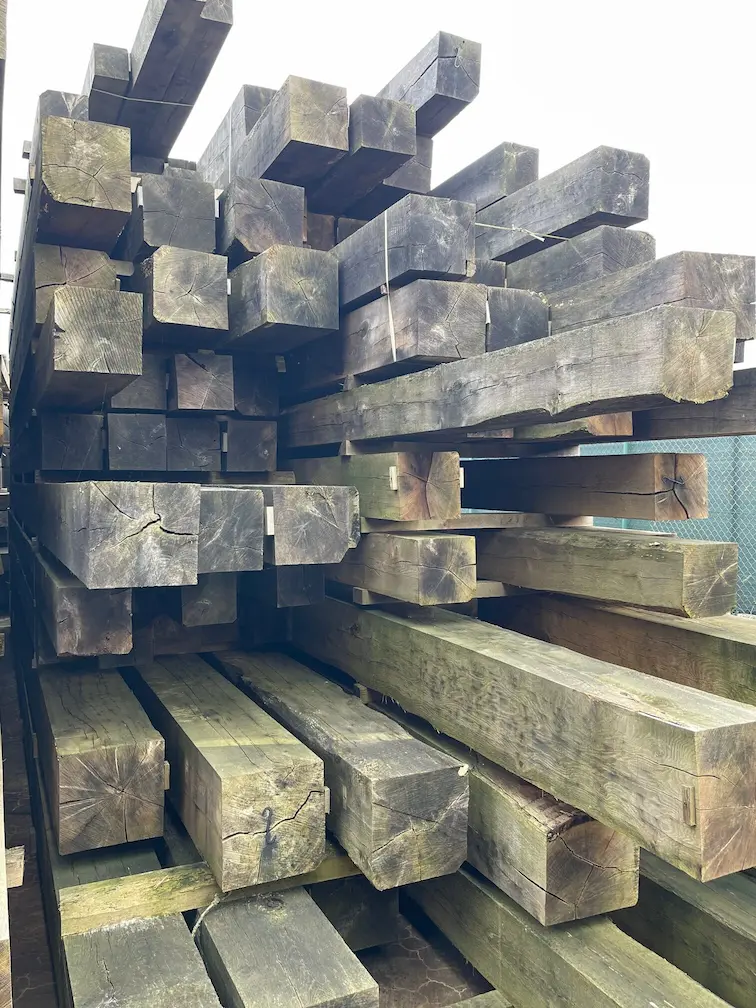
There are few materials that match the timeless beauty and structural integrity of Oak Beams. From medieval cathedrals to contemporary homes, oak has stood the test of time, both literally and stylistically. Whether you’re restoring a historic property, building a traditional barn, or adding natural charm to a modern interior, Oak Beams offer unmatched durability and aesthetic appeal.
In this blog, we’ll dive into everything you need to know about Oak Beams, their benefits, applications, types, and how to source and care for them effectively.
What are oak beams?
Oak Beams are solid timbers cut from oak trees, used in construction for structural and decorative purposes. They are known for their high load-bearing capacity, long lifespan, and distinct grain patterns. Available in both green (freshly cut) and air-dried or kiln-dried forms, oak beams can be used in everything from roof frames to exposed interior features.
There are two main types of Oak Beams:
- Green oak: Recently felled and still contains moisture. Ideal for traditional timber frame construction as it’s easier to work with and will naturally shrink into place.
- Air-dried oak: Left to dry over several years, making it more stable and ideal for joinery or visible features where movement must be minimal.
Both types are valued for their strength, workability, and unmistakable visual impact.
Why choose oak beams?
Oak Beams are a popular choice for both functional and decorative construction because of their unique combination of properties:
- They are incredibly strong and long-lasting, ideal for load-bearing structures.
- They offer distinctive grain and natural imperfections that add character.
- They develop a rich patina over time, enhancing their rustic charm.
- They are sustainable, especially when sourced from certified forests.
- They are versatile, suitable for interiors, exteriors, and full timber-framed buildings.
With centuries of proven performance, Oak Beams remain a go-to choice for architects, builders, and designers around the world.
Curious about other oak features? Explore our blog on Oak Wood to see how this timber transforms furniture and interiors.
Common uses of oak beams
Because of their strength and appearance, Oak Beams are used across a wide range of applications, including:
- Roof trusses and support structures
- Exposed ceiling beams for rustic or country-style interiors
- Door and window frames in traditional construction
- Mantels and fireplace surrounds
- Outdoor structures such as pergolas, porches, and gates
Their ability to bear weight and enhance visual appeal makes them ideal for both renovation and new-build projects.
Green vs dried oak beams
Choosing between green oak and dried oak depends on the application:
- Green oak is perfect for large structural framing where some shrinkage is acceptable and even expected.
- Air-dried or kiln-dried oak is better for precise joinery and decorative features, as it is more stable and less likely to move over time.
Both are robust and beautiful but serve different functions depending on your needs.
Planning a rustic renovation? Check out our guide to Rustic Oak and learn how to highlight imperfections with style.
Sustainability and responsible sourcing
As with all timber, the sustainability of Oak Beams depends on how the oak is sourced. Choosing FSC- or PEFC-certified beams ensures that:
- Forests are responsibly managed and regenerated
- Biodiversity and local communities are protected
- Your project aligns with eco-conscious building practices
At Wholesale Timber, we are proud to offer only responsibly sourced Oak Beams, so you can build with confidence and integrity.
Learn more about ethical timber choices in our feature on Sustainable Timber, ideal for eco-minded builders.
Working with oak beams
Whether you’re using oak for structural or aesthetic purposes, it’s important to understand its properties:
- Green oak is easier to cut and shape, but will shrink and move as it dries.
- Dry oak is harder and heavier, but offers more long-term stability.
- Use sharp, professional-grade tools for cutting and joining.
- Consider traditional joinery methods like mortise and tenon for authentic builds.
Oak beams are best handled by experienced carpenters or timber framers who understand how to work with the wood’s natural tendencies.
Maintenance and care
Oak Beams are low maintenance by nature but benefit from a few basic care practices:
- For exterior beams, apply breathable finishes to protect from moisture without sealing the wood too tightly.
- For interior beams, dust regularly and treat occasionally with natural oils or waxes to enhance their grain.
- Avoid harsh chemicals or paint unless the look calls for it, oak beams are best left natural.
Well-maintained Oak Beams can last for generations and become signature features of a property.
Conclusion
Oak Beams are not just construction elements, they’re design statements. Strong, stunning, and steeped in tradition, they offer long-term structural benefits while adding unparalleled warmth and authenticity to any project. Whether you’re framing a roof, designing a cosy interior, or crafting a timber-framed masterpiece, Oak Beams will stand the test of time, in both form and function. Need premium-quality Oak Beams for your next build or renovation? Wholesale Timber offers a curated selection of green and dried oak beams, sustainably sourced and ready for your project. Get in touch today for expert advice and custom sizing.